
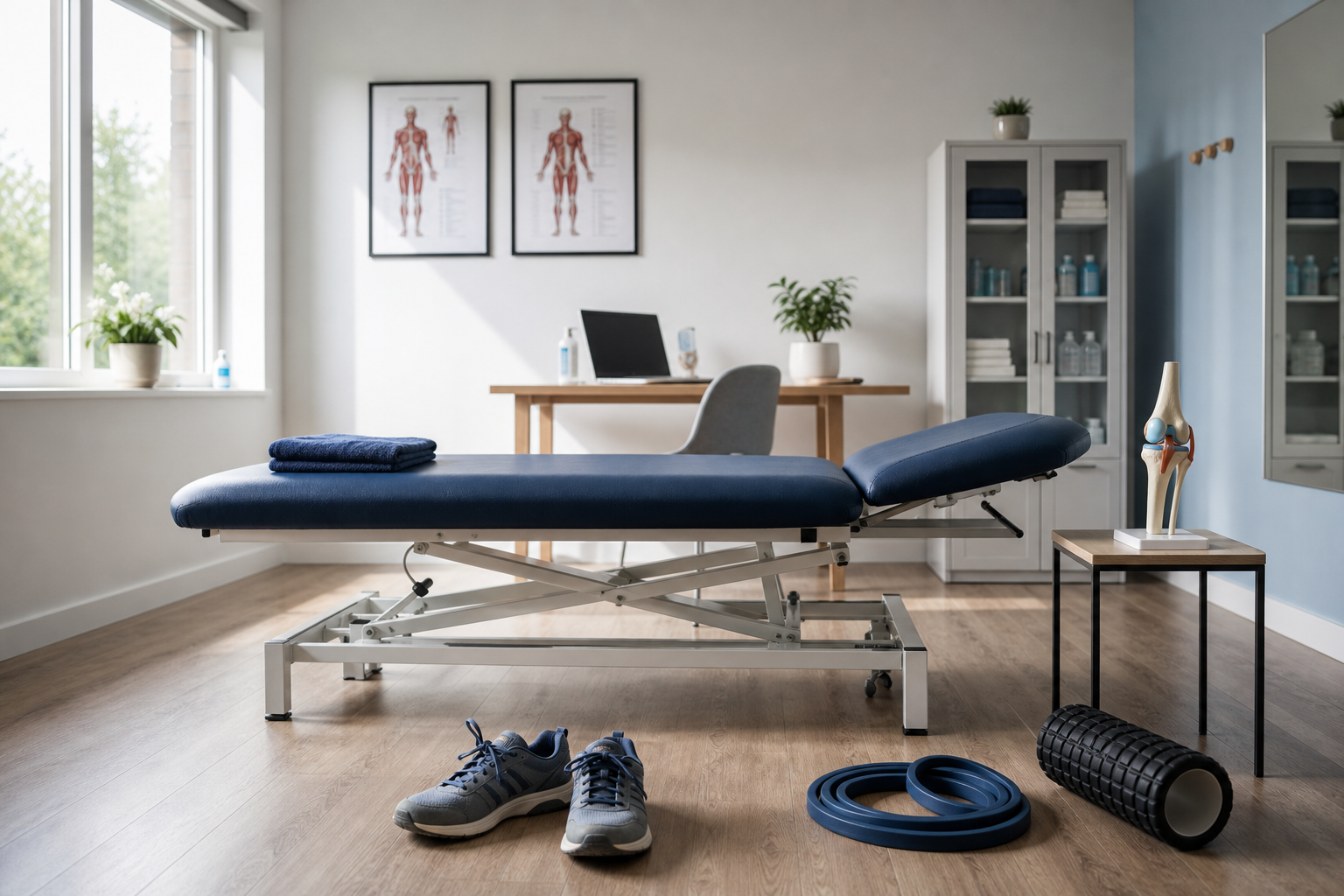
What supports recovery well
Assessment for your sport
We look at how the injury happened and what your activity demands.
Return plans that make sense
Advice is built around symptoms, function and training load.
Whole body thinking
We check nearby joints and muscles, not just the sore spot.
Assessment that fits your sport and symptoms
A pulled muscle, painful shoulder or stubborn knee problem can quickly chip away at training and confidence. At Penarth Osteopathic Practice, we assess how your injury happened, what movements provoke it and how it is affecting sport, work and day to day life. From our clinic in Penarth, we see acute strains, sprains, overload problems and sport linked pain affecting the shoulder, knee, hip, ankle, back or neck. We use manual osteopathic care to calm symptoms, improve movement and build a plan that matches your activity goals, whether you want to get through training more comfortably or return after time out.
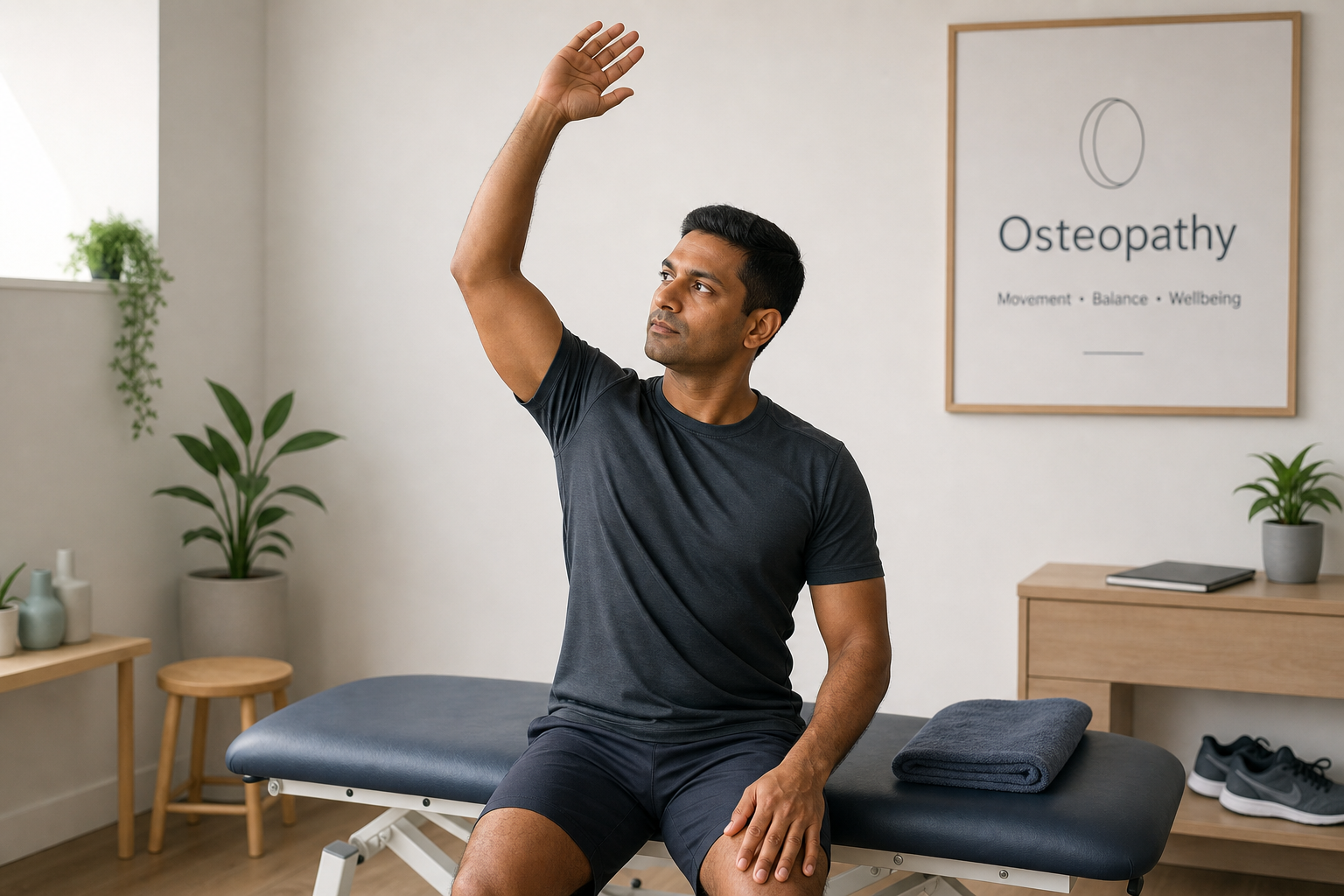
Recovery planning that stays practical
Recovery is rarely just about the sore spot. We look at technique, loading, movement habits and the areas around the injury to understand why it keeps flaring. At Penarth Osteopathic Practice, one of us has specialist training in sports injury treatment, and follow ups help us track progress and adjust advice as your symptoms change. We can guide you on scaling activity up or down, planning a staged return to training and spotting when a problem needs medical assessment instead, such as after major trauma or when fracture or dislocation is suspected.
Frequently asked questions
When should I book after a sports injury?
If pain, swelling or reduced movement is stopping you training, changing the way you move or lingering after a session, it is sensible to get assessed. We can look at recent injuries and recurring problems, then guide you on treatment, loading and the next step.
Can you help with overuse injuries as well as sudden strains?
Yes. Some people come after a clear twist or pull, while others notice a problem building over weeks of training. We assess how your joints and muscles are working, how activity may be contributing and what might help you return more comfortably.
When should I seek urgent medical help instead?
Severe pain after major trauma, obvious deformity, inability to bear weight, or symptoms that suggest a fracture or dislocation need urgent medical attention. If that is the picture, do not wait for a routine appointment. Seek the right urgent care straight away.