
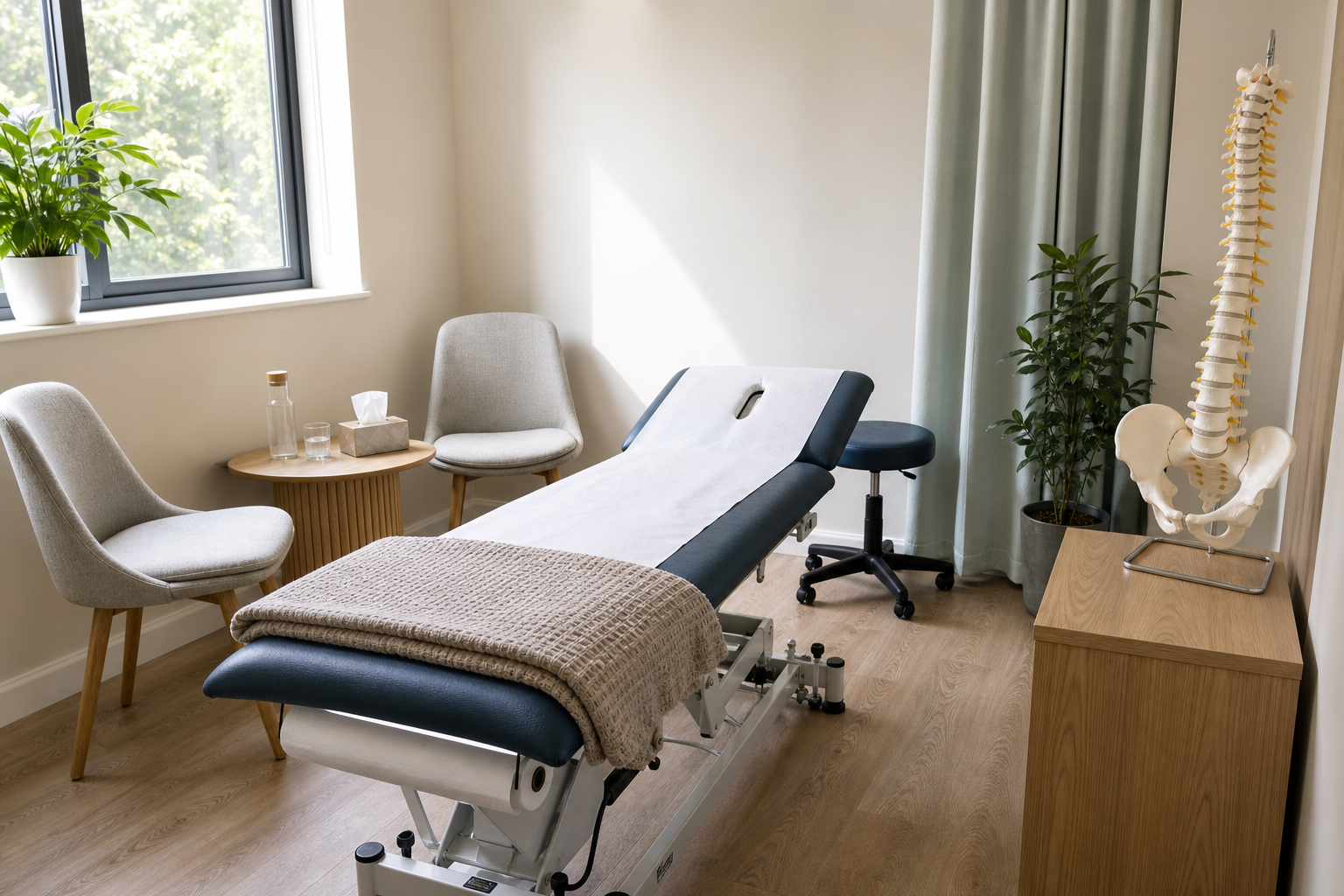
What matters with lower back care
Careful first assessment
We look at pain pattern, movement and daily triggers before treatment.
Advice between visits
Practical guidance helps you support recovery away from the clinic.
Honest safety guidance
We explain when back symptoms need GP or urgent medical review.
Care for stiff, sore or recurring lower back pain
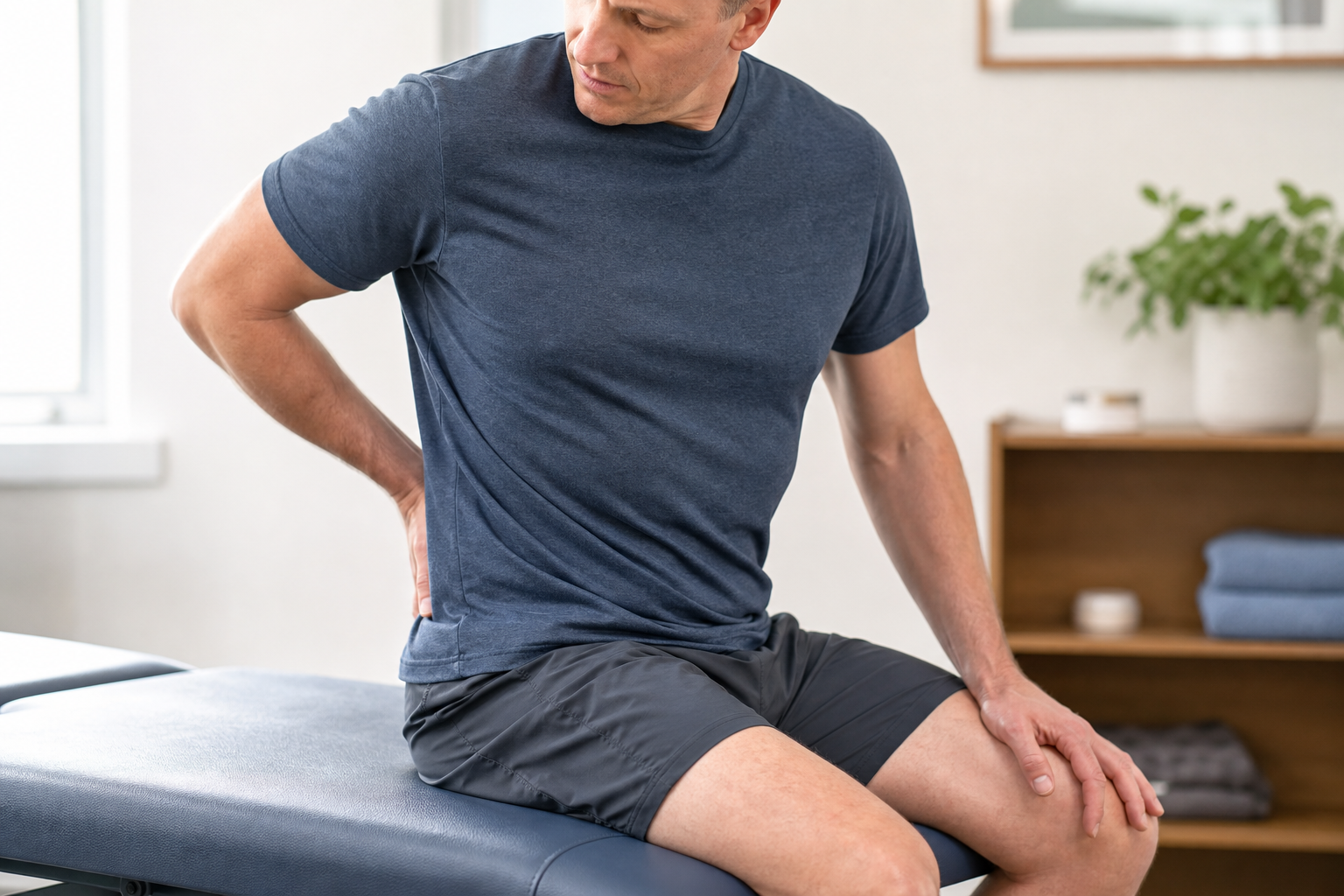
Lower back pain can make sitting, bending, walking or simply getting through the day feel tiring and uncertain. At Penarth Osteopathic Practice, we start by asking how the pain began, how long it has been present and what it is stopping you doing. From our clinic in Penarth, we see people with acute strains, recurring low back pain, stiffness and reduced movement, and we assess how posture, daily habits, work or sport may be feeding the problem. Treatment is hands on and led by what we find on examination. We may also guide you on movement, pacing and simple home exercises, with the aim of improving comfort and helping you move with more confidence.
When follow up helps and when medical help matters
Some back pain settles quickly, while some needs steady follow up and careful review. At Penarth Osteopathic Practice, we use follow up appointments to check how your symptoms are changing, adjust manual care and build on the advice that seems to help most. Lower back pain can also be linked to activity and sport, so active patients can benefit from our wider sports injury knowledge. Just as important is knowing when osteopathy is not the right first step. If your symptoms suggest a non musculoskeletal cause, or if red flag signs are present, we will tell you clearly and guide you towards urgent or GP care.
Frequently asked questions
What will you look at during a lower back pain visit?
We ask how the pain began, where it spreads, what makes it worse or easier and how it affects daily life. We then assess movement, posture and related areas before deciding whether manual osteopathic treatment is suitable and what kind of follow up may help.
Will I get advice as well as hands on treatment?
Yes. Treatment is not only about the time on the couch. We may guide you on movement, posture, pacing, activity changes and simple exercises to support recovery between visits. The advice depends on what we find and what feels realistic for your routine.
When should lower back pain be checked urgently?
Seek urgent medical help if you have severe or worsening weakness, changes to bladder or bowel function, numbness around the saddle area, fever, unexplained weight loss or pain after significant trauma. These symptoms need prompt medical assessment rather than routine booking.