
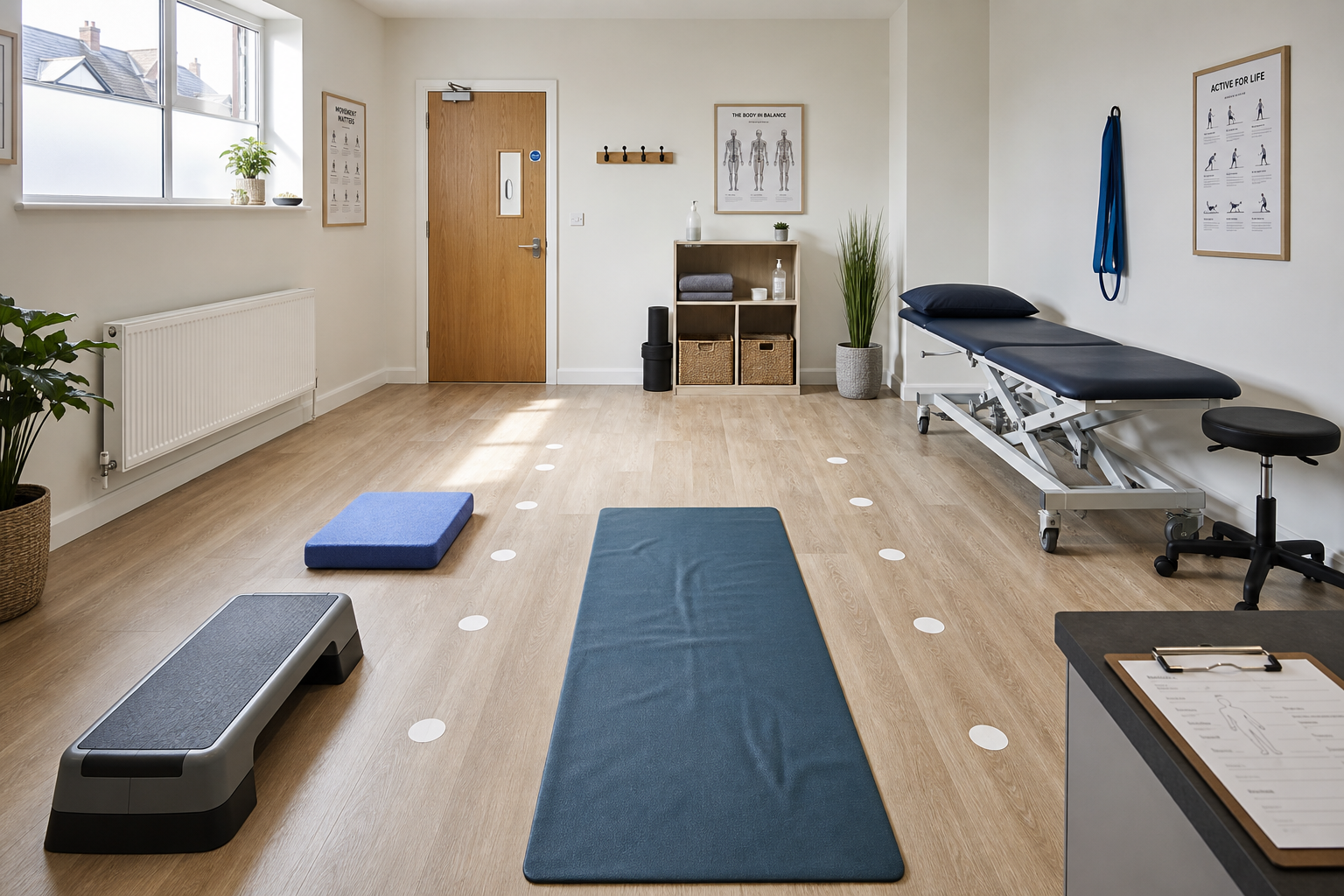
Why posture and mobility need context
Real world habit advice
We discuss desks, driving, sleep, lifting and everyday movement.
Aimed at freer movement
The plan focuses on stiffness, range of motion and recurring strain.
Useful for sport recovery
Better mobility can support a steadier return after injury.
Helping movement feel less restricted and more natural
When posture and mobility are not working well, small daily tasks can start to feel heavier, tighter and more frustrating than they should. At Penarth Osteopathic Practice, we assess how joints, muscles and movement patterns may be contributing to stiffness, recurring strain and reduced range of motion. From our clinic in Penarth, we see people whose mobility is affected by lower back pain, shoulder problems, hip or ankle issues and tension around the neck and upper back that can aggravate headaches. Our hands on treatment is guided by what we find during assessment, and the goal is to help you move more comfortably while giving you a clearer picture of what is driving the restriction.
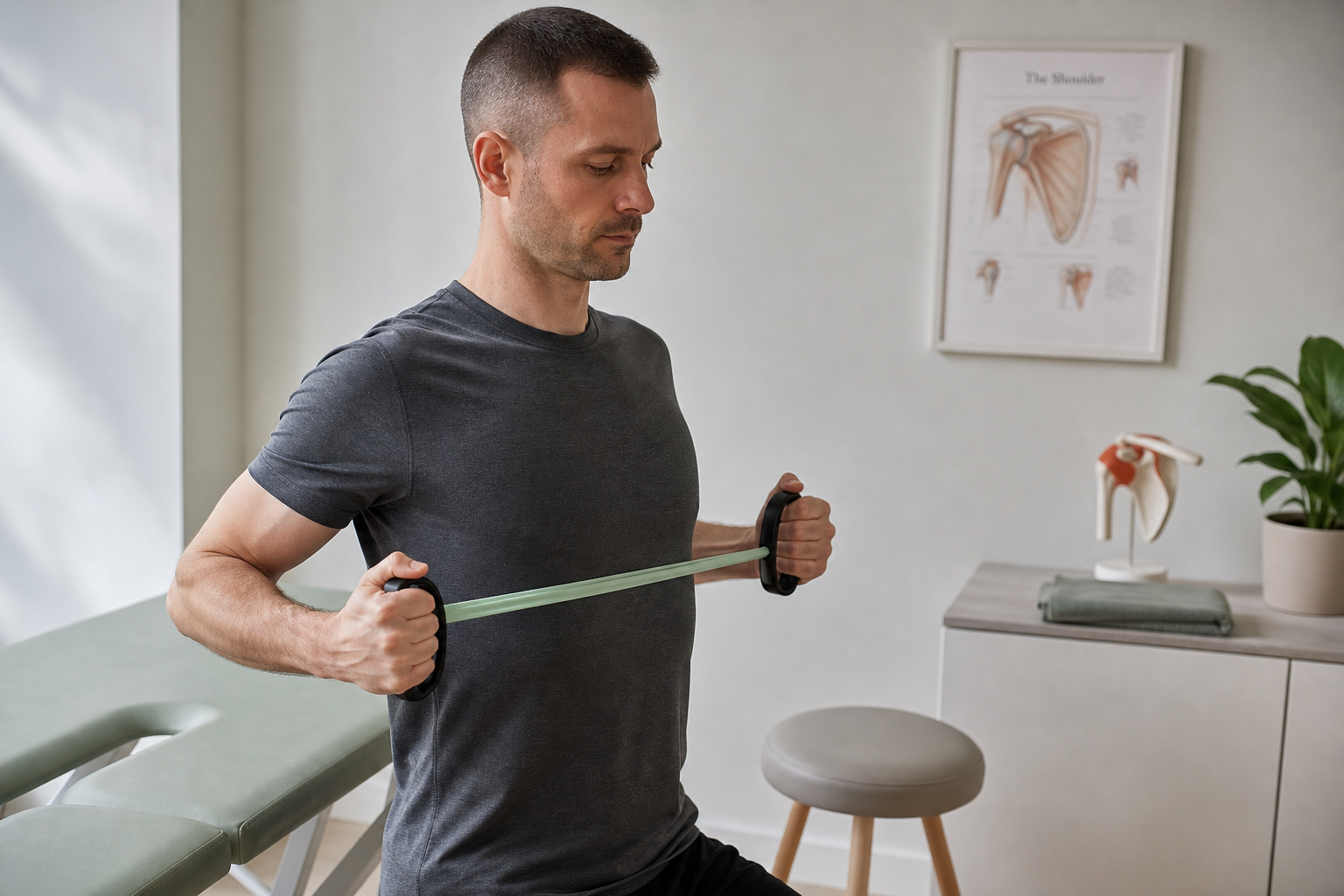
Practical habit advice between appointments
Progress often depends on the habits between appointments as much as the treatment itself. At Penarth Osteopathic Practice, we may talk about desk work, driving, sleeping position, lifting, carrying and sport load when these seem to be shaping your symptoms. A first visit includes history taking, movement assessment and manual care where appropriate, while follow ups let us review what has changed and what still needs work. This service can also support sport recovery when poor mobility is feeding recurring strains. Throughout, we keep advice practical so it fits everyday life rather than sounding good only in theory.
Frequently asked questions
What posture habits do you usually discuss?
We often talk about desk setup, driving position, sleep, lifting, carrying and the way you move during work or sport. These habits can influence stiffness and recurring strain, so practical advice between visits is an important part of helping change last.
Is this care useful for older adults as well as active people?
Yes. Some people want to move more freely for sport or exercise, while others want walking, reaching or turning to feel easier day to day. We adapt our assessment and treatment to age, confidence and the activities that matter most to you.
How do follow ups help with mobility problems?
Follow up appointments let us see whether movement has changed, what still feels restricted and which habits are helping or getting in the way. That review makes it easier to adapt treatment and keep your plan practical rather than repeating the same approach each time.