
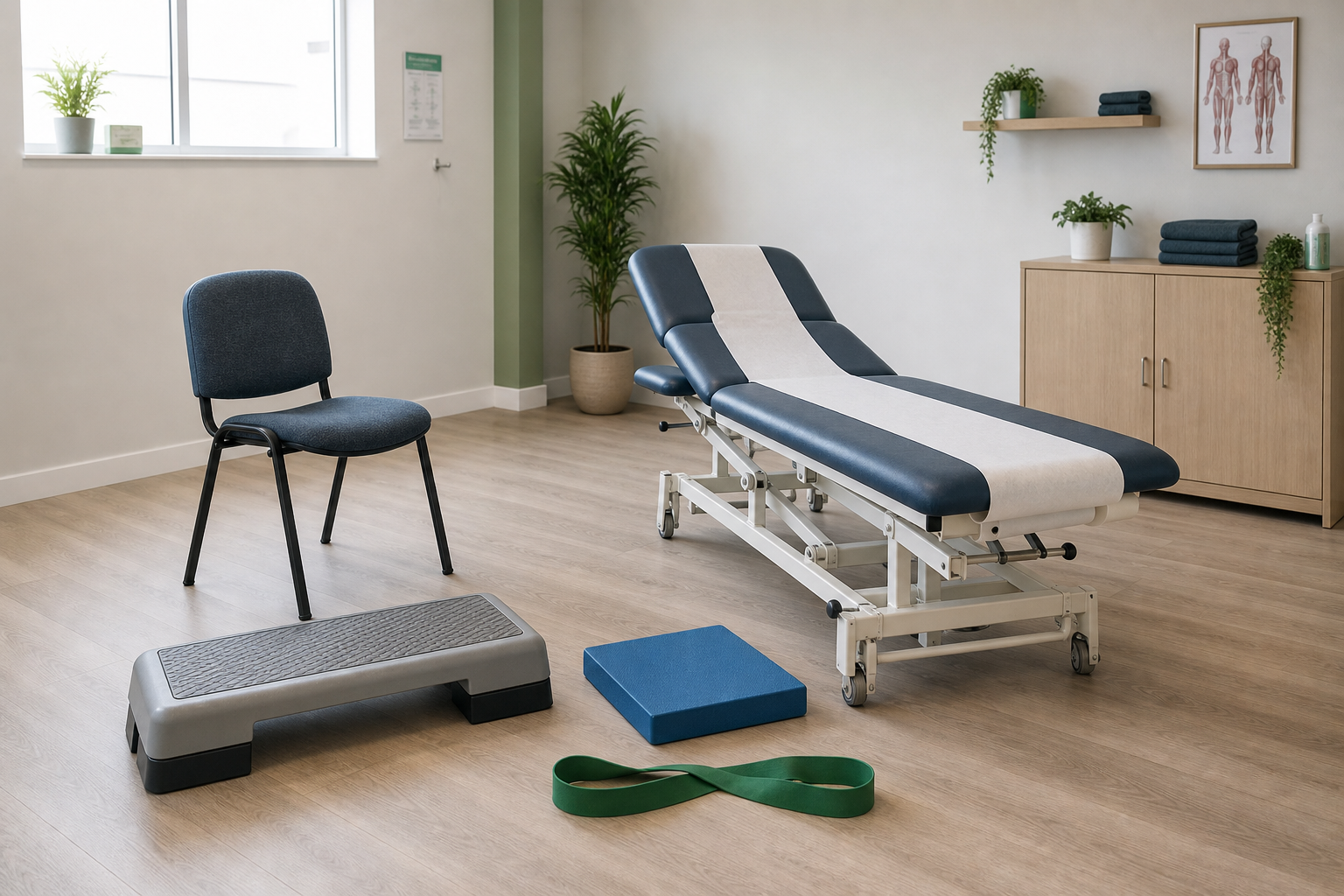
What makes joint care more complete
More than the sore joint
We assess surrounding muscles and movement to find added strain.
Helpful for active people
Plans can include pacing and return advice after sport triggers.
Tailored across life stages
Care is shaped for active adults, older people and growing bodies.
Joint pain needs more than one point of view
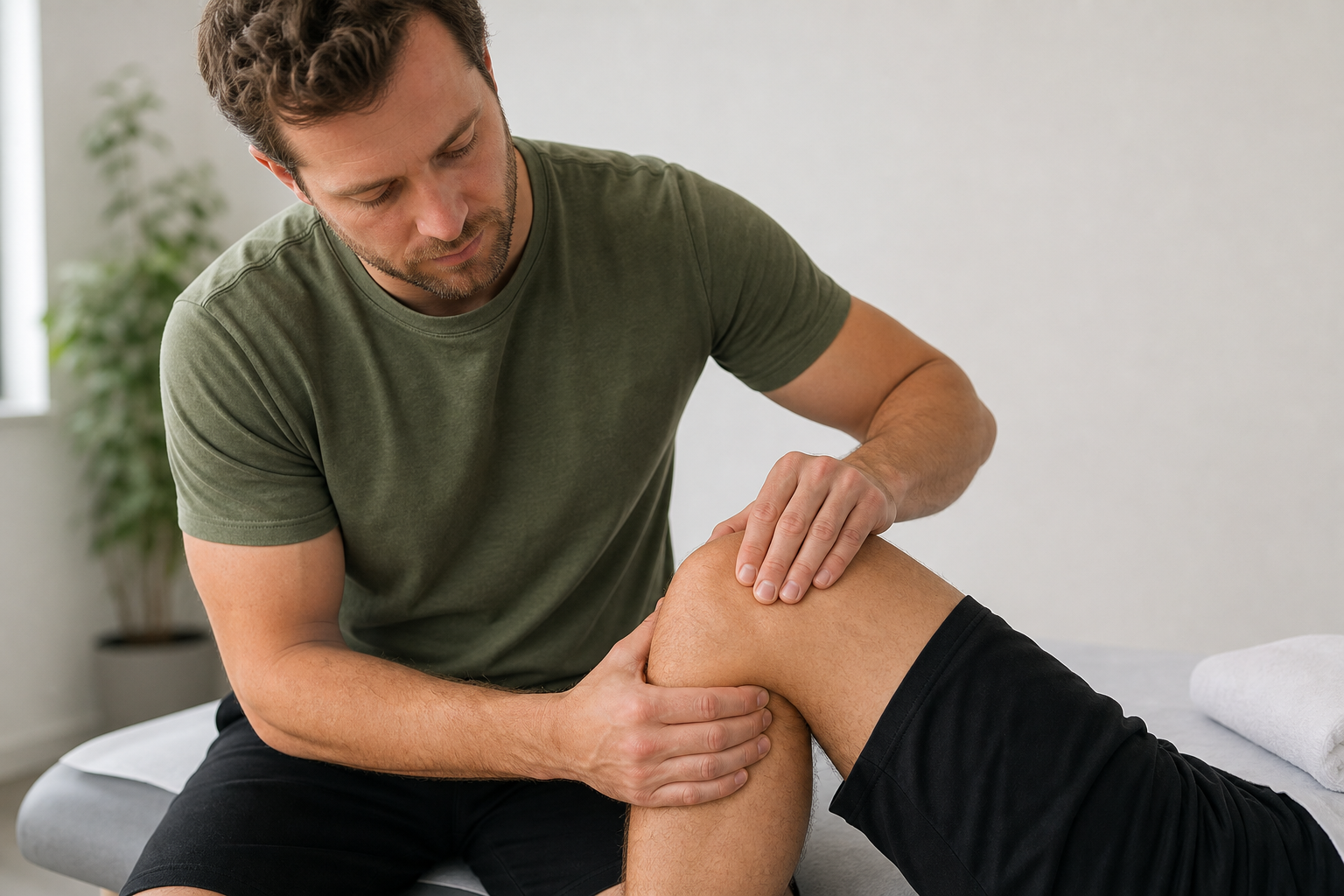
Painful or stiff joints can change the way you walk, reach, train and even rest. At Penarth Osteopathic Practice, we see joint problems affecting areas such as the shoulder, knee, hip and ankle, and we use hands on assessment to understand both the sore joint and the structures around it. From our clinic in Penarth, people come to us with pain, reduced range of motion, feelings of instability and movement that simply does not feel normal. We look at muscles, posture and biomechanics, not only the joint that hurts, because nearby restriction or strain may be feeding the problem. That fuller picture helps us plan care that aims to improve movement as well as comfort.
Useful for sport, work and day to day strain
Joint pain often changes with age, work and activity, so the same explanation rarely fits everyone. At Penarth Osteopathic Practice, we see active adults with sport related sprains or overload, older people managing stiffness and people whose symptoms are tied to posture or daily strain. A first appointment lets us assess the joint in detail, while follow ups let us review how you are responding and what still needs attention. If a sports trigger is involved, we can also guide you on gradual return to activity. When symptoms fall outside musculoskeletal care, we will explain that and advise you on the next step.
Frequently asked questions
Do you only look at the painful joint?
No. Joint pain is often influenced by nearby muscles, posture and the way other joints are moving. We assess the sore area and the surrounding mechanics to understand why movement feels restricted, unstable or painful, then build a plan around what we find.
Can you help with sports related joint pain?
Yes. Joint pain after sport can come from sprains, overload or changes in training volume. We assess the joint itself, how you move through it and what activities are aggravating it, then guide you on care, pacing and return to activity in a sensible way.
How are joint pain appointments usually planned?
A first visit gives us time to understand the full picture, examine the joint and explain our findings. If follow ups are needed, we use them to review change, adapt treatment and keep working on the movement issues that may be contributing to the pain.