
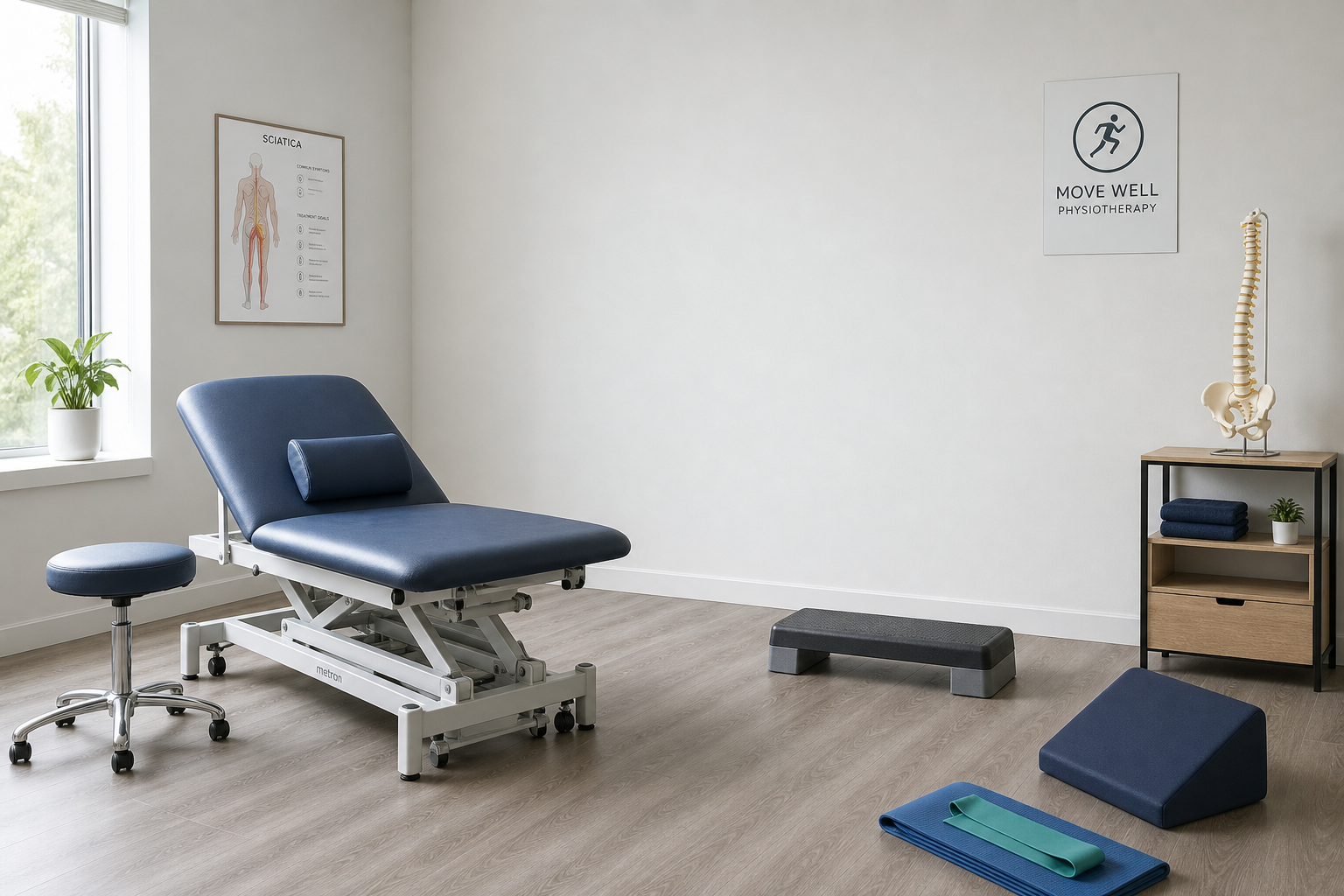
Why sciatica care needs a careful plan
Low back and leg together
We assess the whole pattern instead of only one painful area.
Useful preparation guidance
A clear symptom timeline helps us build the first plan faster.
Clear red flag advice
We explain the symptoms that need urgent medical assessment.
A careful look at back, pelvis and leg symptoms
Sciatica usually describes irritation of the sciatic nerve, often felt as pain that travels from the low back or buttock into the leg. At Penarth Osteopathic Practice, we assess that pattern carefully to understand what may be driving it and how much it is affecting walking, sitting, sleep or confidence in movement. From our clinic in Penarth, we look at the low back, pelvis and hips as well as the painful area itself, because sciatica rarely makes sense in isolation. Treatment is hands on and based on a full case history, physical assessment and clear explanation of what we think may be contributing to your symptoms.
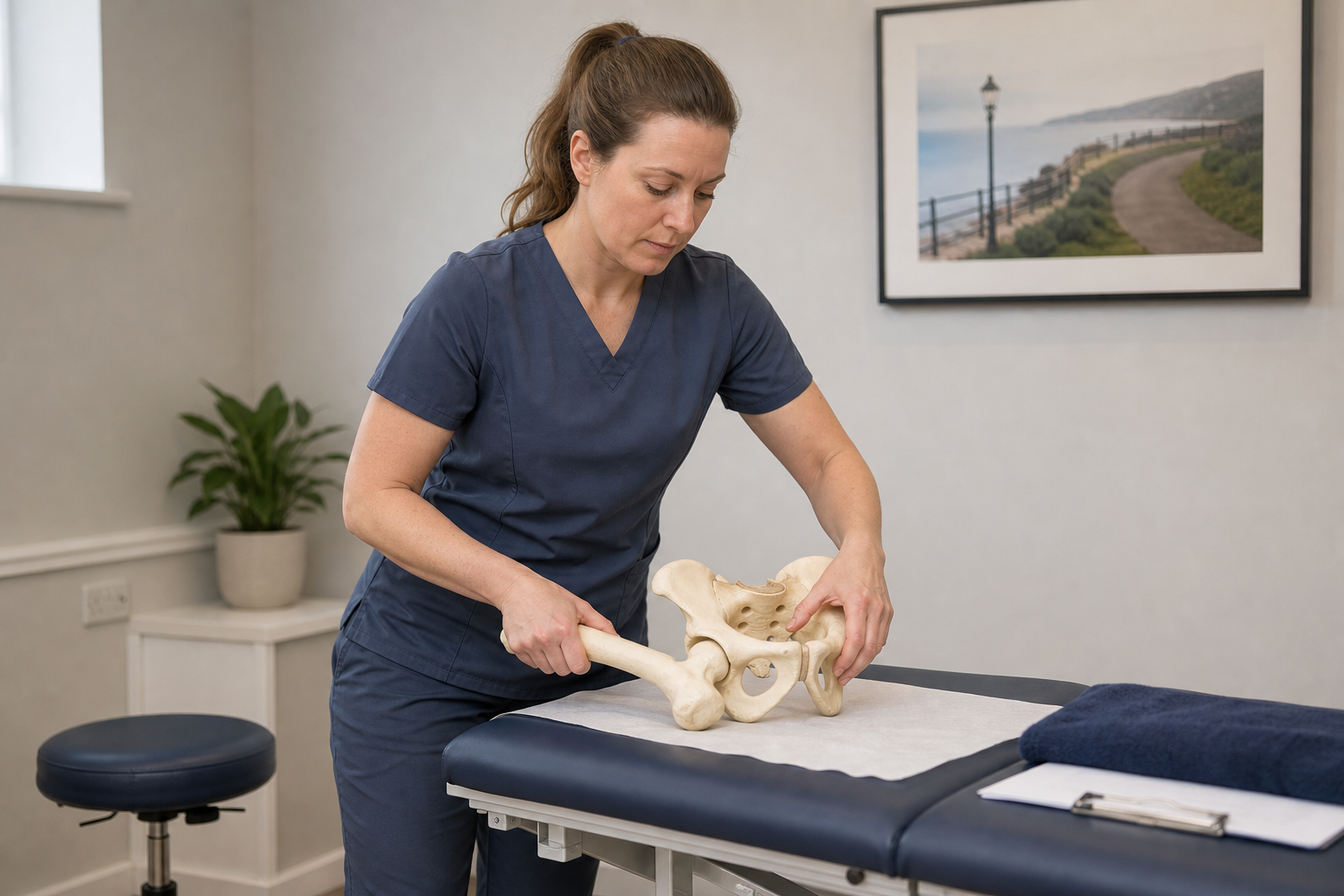
Planning ahead and knowing the red flags
Planning matters with sciatica. At Penarth Osteopathic Practice, we may suggest a course of follow up visits so we can review change, adapt treatment and build on the advice that seems most useful between appointments. It helps if you come prepared with a short timeline of your symptoms, aggravating factors and relevant medical history, as this speeds up assessment. Some patients also have activity related triggers, where our sports injury knowledge can be helpful. Just as importantly, we explain the red flag symptoms that need urgent medical care, because responsible osteopathy includes knowing when a problem should be referred on.
Frequently asked questions
What symptoms suggest sciatica?
People often describe pain that starts in the low back or buttock and travels into the leg. Tingling, numbness or altered sensation can also happen. We assess that pattern carefully to understand whether the picture fits sciatica and what next steps may help.
What should I bring to a sciatica appointment?
It helps to bring a short timeline of when symptoms started, what makes them worse or better, any treatment you have already tried and relevant medical history. That gives us a clearer picture and helps us plan assessment, advice and possible follow up more quickly.
When is sciatica an urgent medical issue?
Urgent medical help is needed for severe or worsening weakness, changes to bladder or bowel function, numbness around the saddle area, significant trauma or other symptoms that feel serious and unusual. Those signs need prompt medical assessment rather than routine care.